


Description
Amphetamines – Central Nervous System Stimulants (Controlled Substances, Rx)
Amphetamines are a class of central nervous system (CNS) stimulant medications used primarily in the treatment of attention deficit hyperactivity disorder (ADHD) and narcolepsy.
They work by increasing the levels of key neurotransmitters—especially dopamine and norepinephrine—in the brain. This enhances focus, alertness, attention control, and wakefulness.
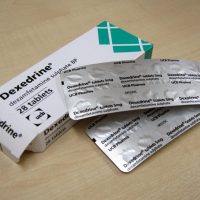
Amphetamines include several formulations such as dextroamphetamine, lisdexamfetamine, and mixed amphetamine salts, each with different release profiles and durations of action.
Due to their strong stimulant effects and potential for misuse, they are classified as controlled substances in most countries.
Détails clés
- Drug Class: CNS stimulant (amphetamine-based compounds)
- Active Forms: Dextroamphetamine, levoamphetamine, lisdexamfetamine, mixed salts
- Indications :
- TDAH (enfants et adultes)
- Narcolepsie
- Mechanism of Action: Increases dopamine and norepinephrine release + blocks reuptake
- Therapeutic Effects: Improved attention, reduced impulsivity, increased wakefulness
- Statut de prescription : Médicament délivré sur ordonnance strictement contrôlée
Cahier des charges
- Dosage Forms: Immediate-release tablets, extended-release capsules, prodrugs (e.g., lisdexamfetamine)
- Common Strengths: Varies (e.g., 5 mg–70 mg depending on formulation)
- Début d'action :
- Immediate-release: 30–60 minutes
- Durée d'action :
- IR: ~4–6 hours
- XR: ~10–14 hours
- Half-Life: ~9–13 hours (varies by compound)
- Métabolisme : Hépatique
- Excrétion : rénale
- Conservation : température ambiante
Dosage et administration
- Must be individually prescribed and carefully titrated
- Typically taken once or twice daily depending on formulation
- Généralement administré le matin pour éviter l'insomnie
- Treatment is often combined with behavioral therapy (for ADHD)
- Requires ongoing medical monitoring
Compatibilité / Utilisation appropriée
- Patients atteints de TDAH
- Les personnes atteintes de narcolepsie (somnolence diurne excessive)
- Used within structured treatment plans including behavioral interventions
- Requires regular cardiovascular and mental health monitoring
Avertissements et précautions
- Risk of dependence, misuse, and addiction
- Peut augmenter le rythme cardiaque et la pression artérielle
- Can worsen anxiety, agitation, or psychosis in susceptible individuals
- Peut supprimer l'appétit et affecter le poids
- Can cause insomnia if taken late in the day
- Requires careful monitoring in children and adolescents
Contre-indications
- Maladie cardiovasculaire avancée
- Hypertension modérée à sévère
- Hyperthyroïdie
- Glaucome
- History of substance misuse (relative contraindication)
- À utiliser avec des inhibiteurs de la MAO (interaction dangereuse)
Why Amphetamines Are Used
Amphetamines are among the most effective treatments for ADHD and narcolepsy, significantly improving focus, attention, and wakefulness when used correctly under medical supervision. However, they require strict control due to high misuse and dependence potential.

 English (UK)
 Français
 Deutsch
 Español
 Português
 Svenska
 Suomi
Suomi Italiano
 Dansk
Dansk